



For many of us, the pursuit of truly glowy skin goes far beyond a gorgeous, sun-kissed tone. Sure, a beautiful bronze that emanates a slightly European feel is what we’re aiming for, but as we age and our skin’s needs slightly shift, for most of us, basic self tanner just doesn’t cut it. Now it’s about skin health that comes from being hydrated, nourished, and protected from the inside out.
This is where understanding the vital role of vitamin E in sunless tanners is so essential. It’s why we’ve decided to dedicate a whole article to this hero ingredient that really does boost the skin with so many benefits.
What is Vitamin E?
Loved by dermatologists and formulators alike, vitamin E is one of the skin’s most powerful antioxidants.
Found naturally in foods like almonds, avocados, spinach, and sunflower seeds, vitamin E is also found in smaller amounts within your skin. Vitamin E is important in helping defend skin cells from oxidative stress, often caused by things like UV, pollution, and everyday environmental elements. It also supports long-term hydration, and gives skin that soft, healthy sheen we all associate with vitality and confidence. (Gehring et al., 1998)
Of course, this doesn’t replace the need for sunscreen, but it’s good to know it’s supporting your overall skin and sun safety goals as a small part of your sun safety regimen.
So, how is Vitamin E good for skin? How does it benefit skin tone, texture and glow specifically? Read below for our top 8 benefits of vitamin E for skin health.
What the research shows: 8 benefits of vitamin E for skin
If you’re passionate about beauty, you’ll likely already know some of the many vitamin E benefits for skin and hair.
As specialists in perfecting the multi-generational golden glow – the kind that all ages and skin types can enjoy, at Sontse, we were very particular about formulating our products with vitamin E for its skin benefits, especially. Spending years of research and development before launching the Sontse sunless tanning range, we really did fall in love with this ingredient and the effect it has, even for maturing, sensitive or more vulnerable skin.
Below are just some of the scientifically studied vitamin E for skin benefits according to Pinto et al. (2021):
1. Helps shield against UV damage
Vitamin E helps buffer the skin from UVB radiation, reducing redness, sensitivity, and the early signs of photoaging when used topically or with vitamin C.
2. Soothes inflammation
It calms the skin by reducing inflammatory molecules that lead to redness, irritation, and collagen breakdown.
3. Protects collagen and elasticity
Vitamin E slows the enzymes that degrade collagen, helping maintain firmness and bounce in mature skin.
4. Prevents oxidative stress
Acting as a potent antioxidant, it neutralises free radicals from sun exposure and pollution, the two major culprits behind dullness, fine lines, and uneven tone.
5. Supports the skin barrier
Its lipophilic nature supports healthy skin lipids, improving hydration and preventing transepidermal water loss for a smoother, more resilient complexion.
6. Supports skin healing
Vitamin E assists in repairing the skin after UV exposure or damage and therefore may also be helpful for improving the look of scars and pigmentation when used in balanced formulations.
7. Enhances radiance
Vitamin E helps improve tone, texture, and luminosity by supporting collagen production and hydration, a gentle way to give skin a naturally healthy glow.
8. Works beautifully with other ingredients
When paired with vitamin C, resveratrol, or ferulic acid, its antioxidant and brightening effects are magnified making it a true team player in healthy-skin formulations.
So is Vitamin E good for all skin types? And is it good for me?
According to our findings, vitamin E is incredible for most skin types, which is part of what makes it such a trusted ingredient. In fact, allergic reactions are incredibly rare. One review found just 931 reported cases of vitamin E–related contact dermatitis worldwide, a remarkably low number given how widely it’s used in skincare (Kosari et al., 2010).
Safety studies also show that vitamin E and its derivatives are generally non-irritating and non-sensitising, with clinical research confirming only minimal side effects (Monice Zondlo Fiume et al., 2002). In other words, it’s as gentle as it is effective, which is exactly why we love it.
As for whether vitamin E is an ingredient that you should be mindfully adding to your personal beauty routine, it’s important to consider this little-known fact:
Our skin’s natural stores of vitamin E gradually decline over time, especially with age and repeated exposure to sunlight or environmental stressors. These daily factors deplete vitamin E levels in the skin’s outermost layer, weakening its ability to defend against oxidative damage (Rhie et al., 2001; Thiele et al., 1997). It’s one of the many reasons why replenishing vitamin E through topical care becomes increasingly important as we age.
Want to learn more about your skin type before making any decisions? Read more in our journal article: The 5 skin types and how to even your skin tone with fake tan.
A quick Q&A on Vitamin E: Will it fix all my skin concerns?
Now, if you came here with some specific skin-related questions on your mind, below are some of the most common with answers that can help you make a more informed decision about the kind of beauty products that are best suited for your skin.
Does vitamin E help with scars?
In a research paper by Khoosal & Goldman (2006) it stated that ‘Several anecdotal reports have suggested that topical use of vitamin E cream can reduce scar formation. Current evidence from the literature, however, does not support that proposition.’ Nonetheless, other reports suggest that there can be an improvement in overall skin appearance (Pinto et al., 2021). Although more research is needed, the very antioxidant nature of the vitamin itself, coupled with the many stories we hear of individuals seeing their skin improve after using vitamin E infused products suggests that it can be helpful.
Does vitamin E help with acne?
A promising preliminary study by Mills et al. (2016) using topical vitamin E showed clinical improvement in acne, with significant reductions seen within 2 weeks. Another report by El-Akawi et al. (2006) also noted that administering vitamin E could help improve acne.
Will vitamin E help keep my skin hydrated?
According to Gehring et al. (1998), Vitamin E significantly increases skin hydration and enhances water-binding capacity.
How to incorporate Vitamin E into your skincare routine
If you’re ready to evolve your at-home skin ritual with the nourishing addition of vitamin E for the skin benefits, you may be wondering what’s the best form to take? And how often to apply it?
While a balanced diet can help replenish internal levels, topical vitamin E delivers targeted support where your skin needs it most. But wait, this is where it can get confusing.
If you tend to consider yourself a bit of a purist, you may think that applying pure vitamin E topically is the most nourishing thing you can do for your skin. Unfortunately, it’s not that simple - and this is where nature and science need to go hand-in-hand. It’s why over here we work with beauty scientists who understand our value for clean formulations, whilst also understanding the unique forms and doses of vitamin E that will best serve our goals.
According to Morsy & Alanazi (2020), there are eight natural forms of vitamin E: four tocopherols and four tocotrienols, but alpha-tocopherol is the most active in the body and most studied for its skin benefits. The problem is, it is highly unstable and tends to oxidise quickly when exposed to heat, light, or air.
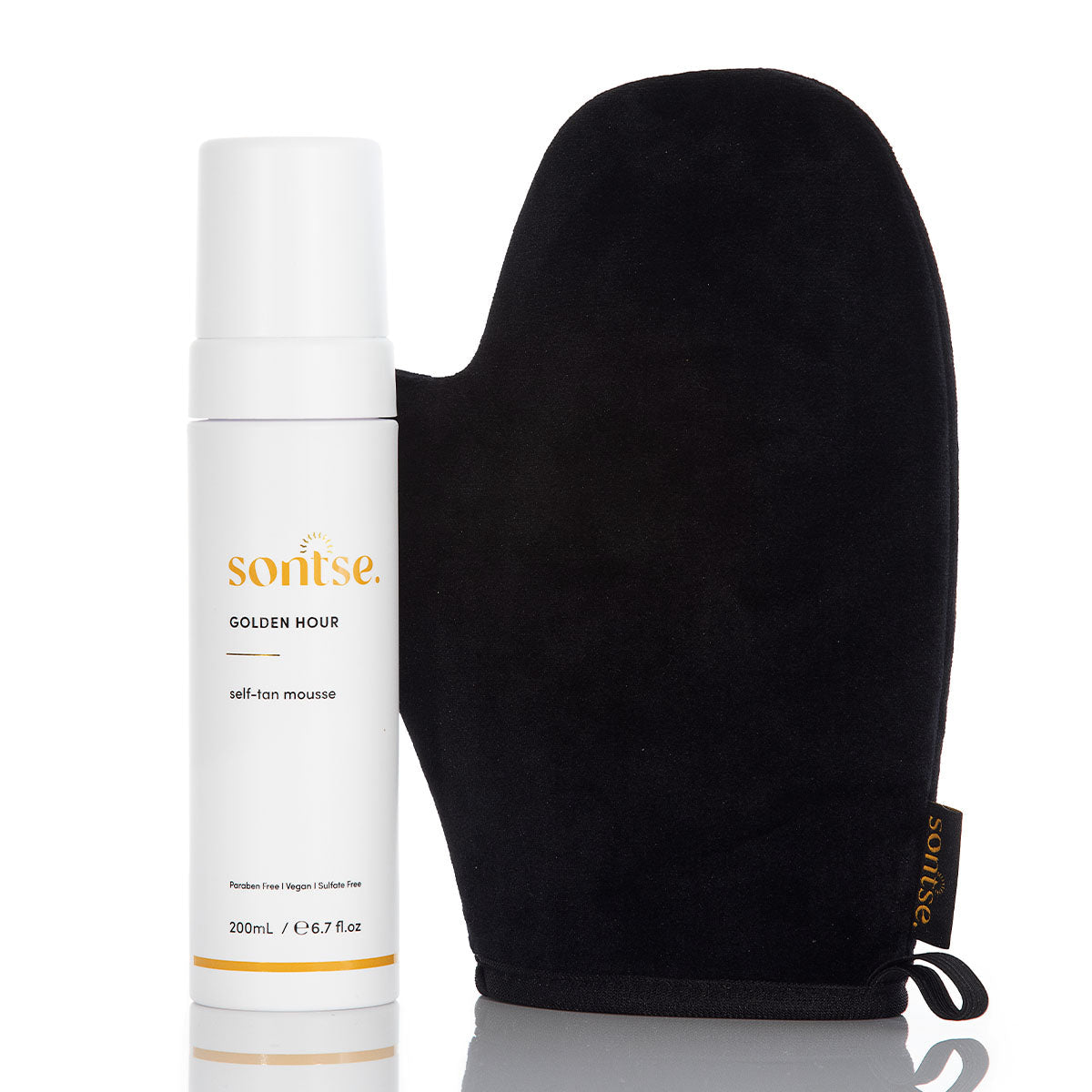
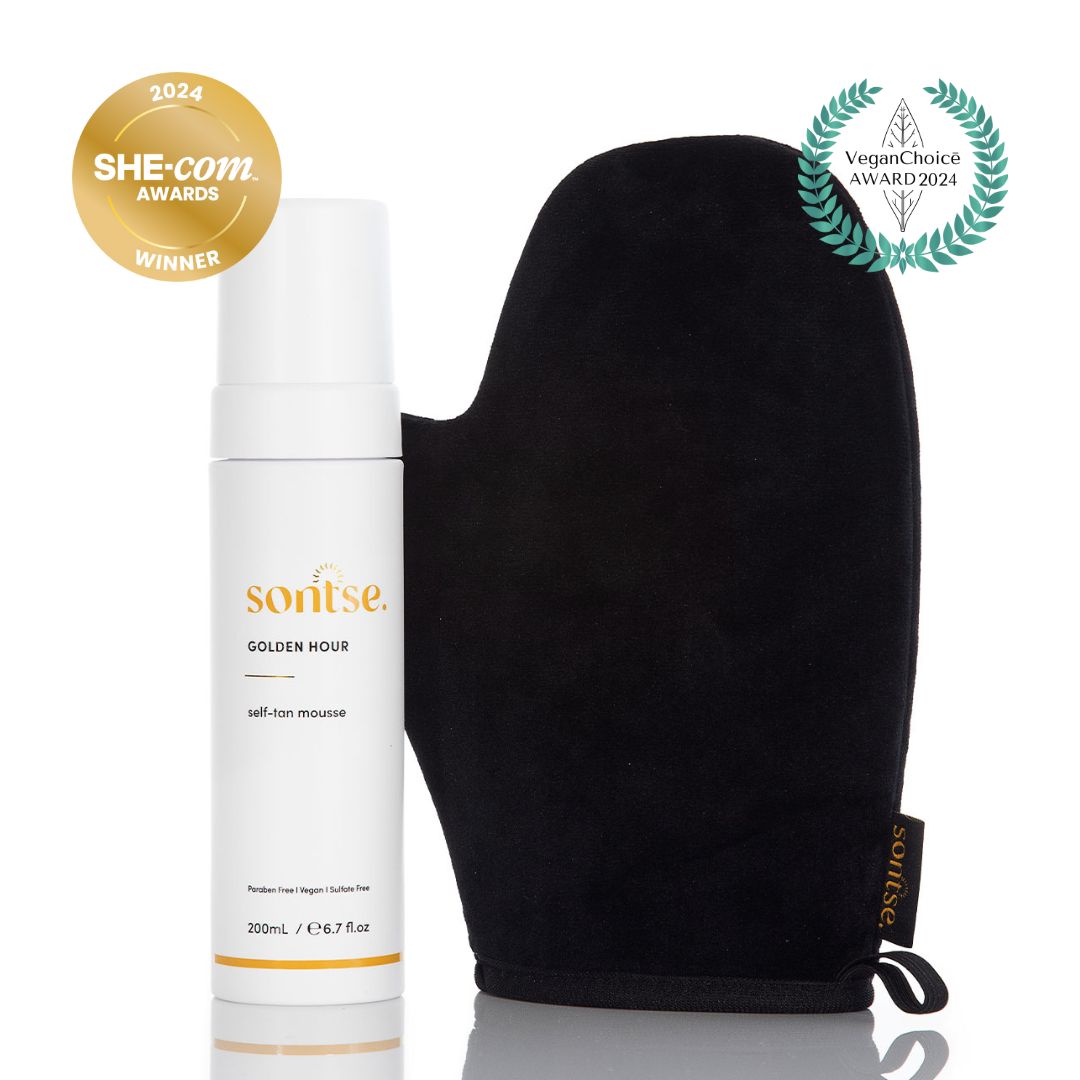
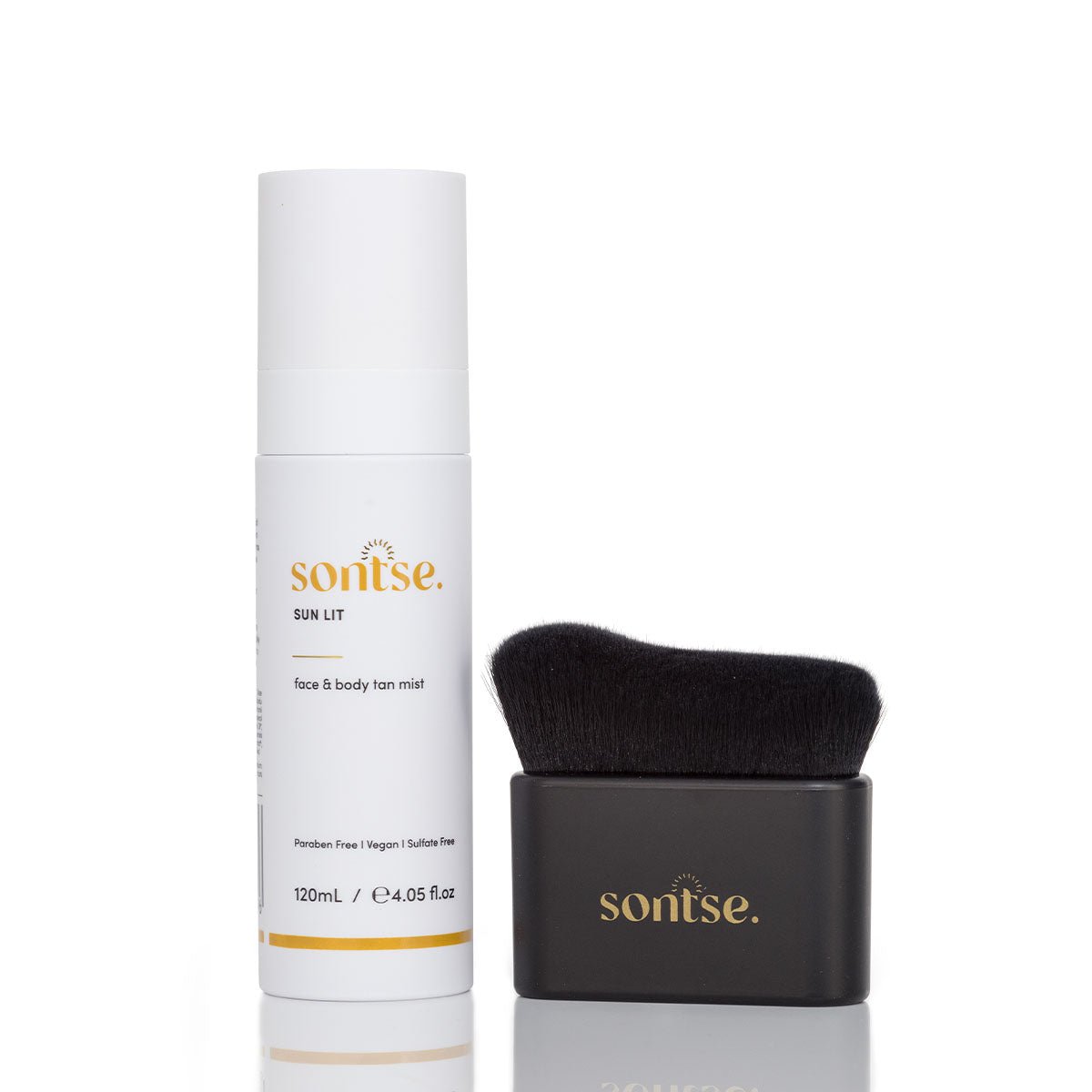
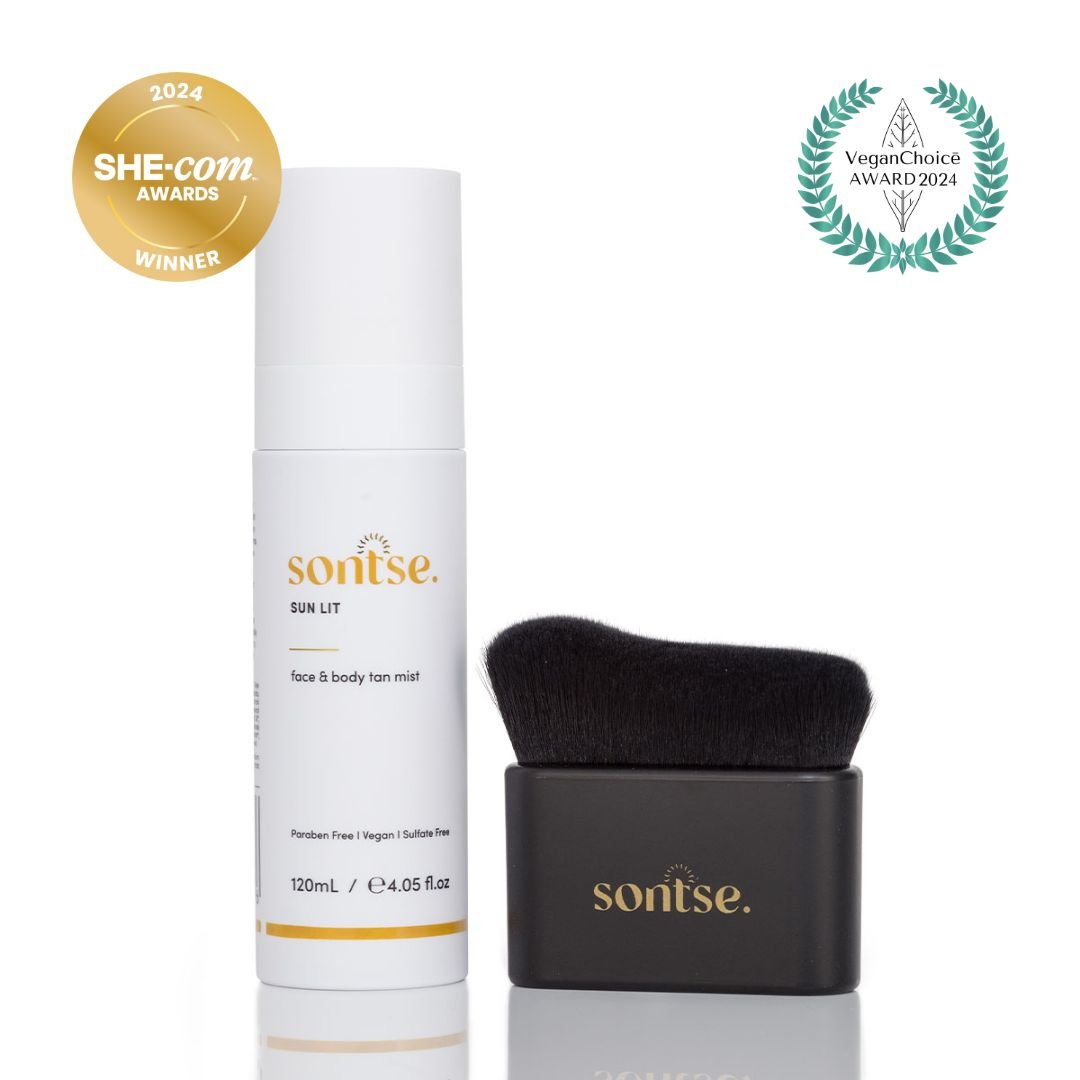
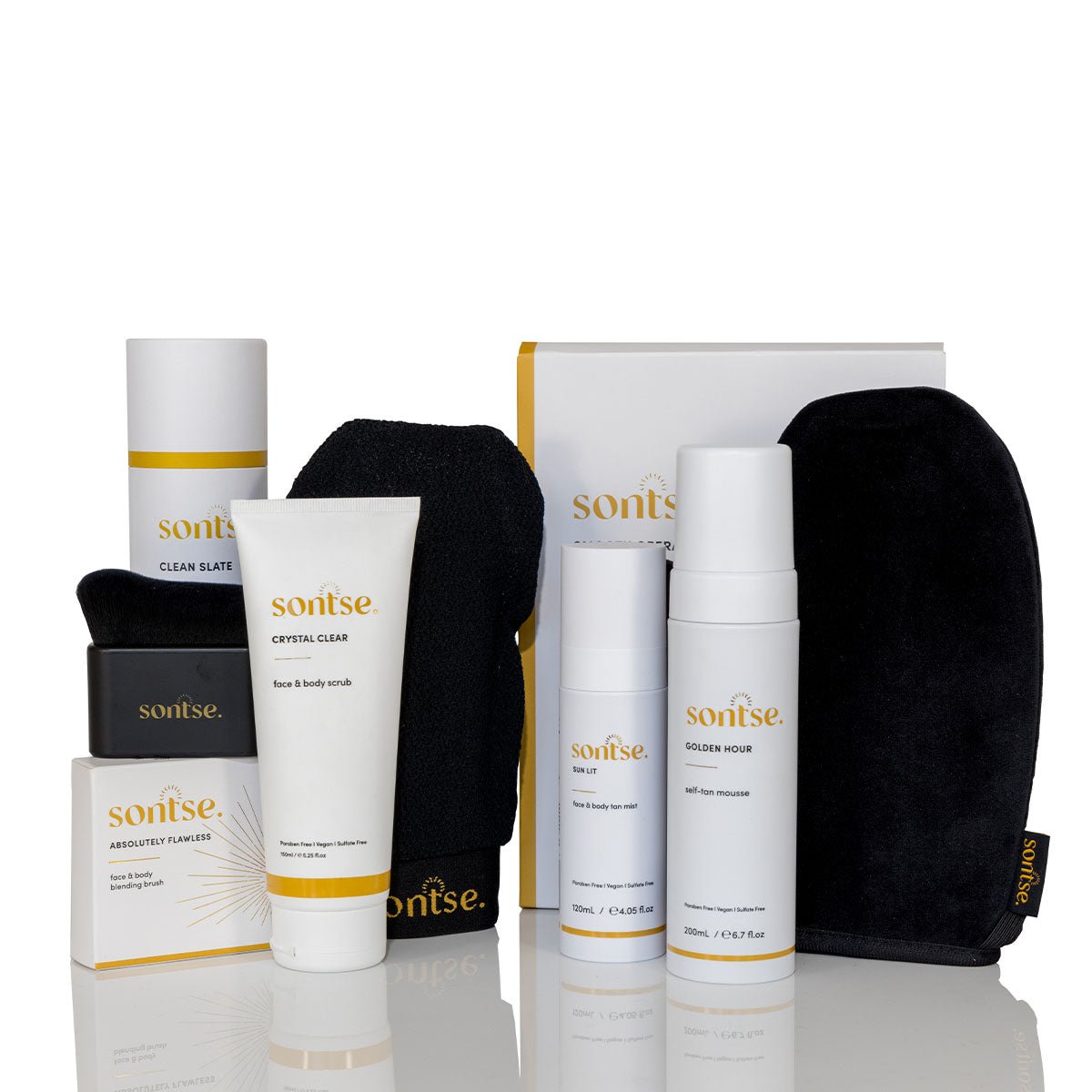
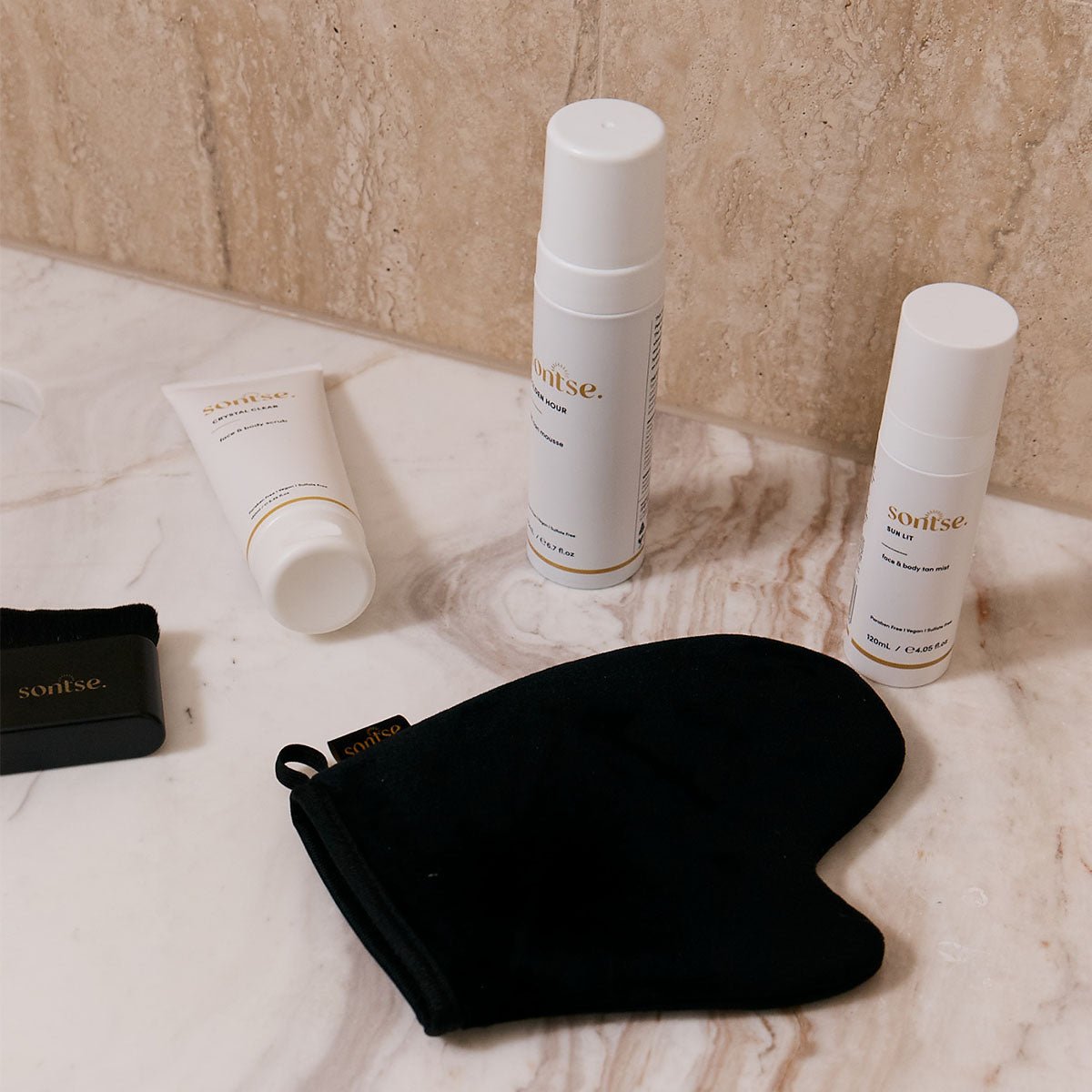
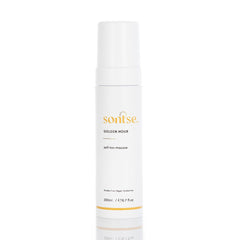
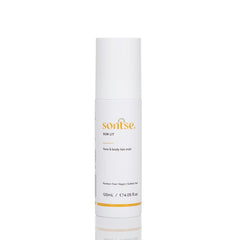
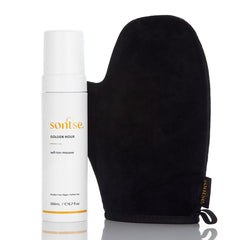
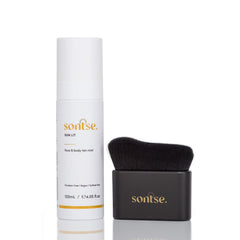
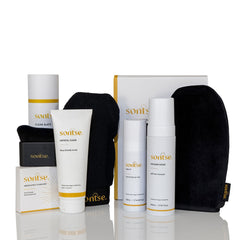
This is why stabilised derivatives like tocopheryl acetate are ideal. Converting into active vitamin E once absorbed, it delivers the same antioxidant protection without the irritation that pure forms can cause. That’s why some modern skincare and sunless tanning formulas (like our Golden Hour Self Tan Mousse and Sun Lit Face & Body Tan Mist), use these gentle yet powerful versions to boost hydration, protect the skin barrier, and maintain that radiant, healthy glow (Morsy & Alanazi, 2020).
How to get your glow through food and better beauty:
|
From your plate |
From your skincare |
|
Almonds, avocado, spinach, sunflower seeds, olive oil |
Self-tanners, serums, moisturisers, and body oils containing stabilised forms like tocopheryl acetate |
|
Supports whole-body antioxidant protection |
Targets the skin’s surface for hydration, barrier repair, and free-radical defence |
|
Works from within to maintain cell health |
Delivers a visible glow, smoother texture, and long-lasting radiance |
Products to look for with the right form of Vitamin E
When you're choosing products that truly honour your skin, look for those that contain stabilised vitamin E derivatives like tocopheryl acetate, this is the form that delivers all the protective, hydrating benefits without the instability or irritation.
At Sontse, we've built our entire philosophy around this: that a beautiful glow should never come at the expense of skin health. That's why both our Golden Hour Self Tan Mousse and Sun Lit Face & Body Tan Mist are formulated with the right kind of vitamin E to nourish as they bronze, protecting your skin barrier while giving you that sun-kissed radiance you're after.
Because here's what we believe: your skincare ritual, whether it's your morning serum, evening moisturiser, or the self-tanner you no longer reserve for just the weekends, should do more than just sit on the surface. It should work with your skin, replenishing what time and the elements take away, and supporting the health that makes real radiance possible. Vitamin E does exactly that. Come explore our vitamin-rich sunless tanner today.
References
El‐akawi, Z., Abdel‐Latif, N., & Abdul‐Razzak, K. (2006). Does the plasma level of vitamins A and E affect acne condition? Clinical and Experimental Dermatology, 31(3), 430–434. https://doi.org/10.1111/j.1365-2230.2006.02106.x
Gehring, W., Fluhr, J., & Gloor, M. (1998). Influence of vitamin E acetate on stratum corneum hydration. Arzneimittelforschung, 48(7), 772-775. https://pubmed.ncbi.nlm.nih.gov/9706379/
Khoosal, D., & Goldman, R. D. (2006). Vitamin E for treating children's scars. Does it help reduce scarring? Can Fam Physician, 52(7), 855-856. https://pmc.ncbi.nlm.nih.gov/articles/PMC1781083/
Kosari, P., Alikhan, A., Sockolov, M., & Feldman, S. (2010). Vitamin E and allergic contact dermatitis. Dermatitis. Dermatitis, 21(3), 148-53.
Mills, O., Criscito, M., Schlesinger, T., Verdicchio, R., & Szoke, E. (2016). Addressing Free Radical Oxidation in Acne Vulgaris. J Clin Aesthet Dermatol., 9(1), 25-30. https://pubmed.ncbi.nlm.nih.gov/26962389/
Monice Zondlo Fiume. (2002). Final Report on the Safety Assessment of Tocopherol, Tocopheryl Acetate, Tocopheryl Linoleate, Tocopheryl Linoleate/Oleate, Tocopheryl Nicotinate, Tocopheryl Succinate, Dioleyl Tocopheryl Methylsilanol, Potassium Ascorbyl Tocopheryl Phosphate, and Tocopher. International Journal of Toxicology, 21(3), 51-116. https://journals.sagepub.com/doi/pdf/10.1080/10915810290169819
Morsy, T. A., & Alanazi, A. D. (2020). A MINI-OVERVIEW OF VITAMIN E. Journal of the Egyptian Society of Parasitology, 50(2), 247 - 257. https://jesp.journals.ekb.eg/article_113040_a199be2e8d260b6dce8662d5196f2cee.pdf
Nachbar, F., & Korting, H. C. (1995). The role of vitamin E in normal and damaged skin. Journal of Molecular Medicine, 73(1), 7-17. 10.1007/BF00203614
Pinto, C. A. S. de O., Martins, T. E. A., Martinez, R. M., Freire, T. B., Velasco, M. V. R., & Baby, A. R. (2021). Vitamin E in human skin: Functionality and topical products. Vitamin E in health and disease – Interactions, diseases and health aspects. IntechOpen.
Rhie, G., Shin, M. H., Seo, J. Y., Choi, W. W., Cho, K. H., Kim, K. H., Park, K. C., Eun, H. C., & Chung, J. H. (2001). Aging- and photoaging-dependent changes of enzymic and nonenzymic antioxidants in the epidermis and dermis of human skin in vivo. Journal of Investigative Dermatology, 117(5), 1212-1217. https://pubmed.ncbi.nlm.nih.gov/11710935/
Thiele, J. J., Traber, M. G., Polefka, T. G., Cross, C. E., & Packer, L. (1997). Ozone-exposure depletes vitamin E and induces lipid peroxidation in murine stratum corneum. Journal of Investigative Dermatology, 108(5), 753–757. https://pubmed.ncbi.nlm.nih.gov/9129228/